Curated expert opinion on intractable contemporary issues

The Return of Nuclear Brinkmanship?
By Ramesh Jaura | 28 November, 2025
In a post on his 'Truth Social', Trump announced that the United States would resume nuclear testing, in response to atomic threats he said were coming from Russia and China. The move was seen across the board as marking an end to 33 years of restraint since the last US underground test in Nevada in September 1992.
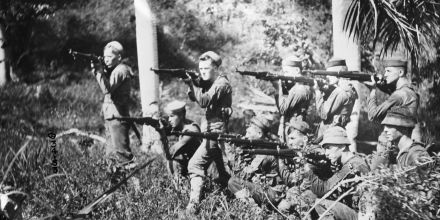
The 'Donroe Doctrine'
By Herbert Wulf | 26 November, 2025
With its present focus on Latin America, the Trump administration is initiating a shift in US foreign policy.

Digital Polarisation and the Future of Peace: Why Governance Must Catch Up With Power
By Jordan Ryan | 24 November, 2025
Democracy today is at a critical juncture. Political systems worldwide face pressures that once would have been extraordinary: accelerating authoritarianism, deepening civic fragmentation, and collapsing public trust.
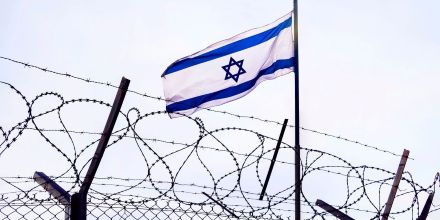
The UN Security Council Endorses Trump’s Gaza Peace Plan
By Ramesh Thakur | 19 November, 2025
On 29 September, President Donald Trump announced an audacious 20-point Gaza peace plan. I cautioned earlier that there were many potholes to be navigated on the pathway to Middle East peace.

The New Fragility: Peacebuilding Meets Digital Democracy
By Jordan Ryan | 18 November, 2025
Established democracies are exhibiting governance stresses that were once associated primarily with fragile and conflict-affected states. Polarisation is weakening institutional trust, fragmenting civic norms, and reducing societies’ ability to solve problems collectively. This is the new fragility.

Innovative Approaches to Climate, Peace and Security: Opportunities for India–Germany–Australia Collaboration
By Ambika Vishwanath and Treesa Shaju | 12 November, 2025
Emerging research on the nexus between climate, peace and security (CPS) supports the integration of climate adaptation and mitigation methods to advance sustainable peace.
The views and opinions expressed in Global Outlook are those of the authors and do not necessarily reflect the official policy or position of Toda Peace Institute.