Curated expert opinion on intractable contemporary issues
Global Outlook: Contemporary Peace Research and Practice
The Return of the Taliban Heightens India's Security Concerns
By Shyam Saran | 29 September, 2021
The revival of a Taliban government in Kabul is a setback for India. The significant political, economic and security equities it had built up in Afghanistan over the past two decades have been wiped out. This includes the more than US$ 3 billion India invested in the country in the shape of several important infrastructure projects, the construction of the country’s parliament building and in the promotion of health and education. India’s contribution to the capacity building of Afghan security forces was substantial.
The Afghan Paradox : China, India and the Future of Eurasia after the Fall of Kabul
By Jorge Heine | 27 September, 2021
One joke making the rounds in Kabul’s diplomatic circles these days is that the power transition in Kabul from the Ghani government to that of the Taliban was smoother than the one that took place in Washington D.C. earlier this year. That may be a (slight) exaggeration, but there is little doubt that the swiftness with which the Taliban entered the Afghan capital caught most observers by surprise.
German Politics in the Post-Merkel Era
By Herbert Wulf | 24 September, 2021
The German Parliament will be elected on 26 September 2021 after its four-year legislature. The biggest change will be that the new government will definitely be formed without Chancellor Merkel who has held this position for nearly 16 years. No wonder many speculate about politics “beyond-Merkelism”
Back to the Future with the Taliban?
By Amin Saikal | 20 September, 2021
The defeat of the United States and its allies and return to power of the Taliban in Afghanistan have changed the regional landscape. The configuration of forces has shifted in favour of Pakistan as the Taliban’s patron and China as a strategic partner of Pakistan, confronting India, the Islamic Republic of Iran, the Central Asian Republics and the main power behind them, Russia, with certain policy quandaries. Yet not all is lost, as both Islamabad and Beijing may find that Afghanistan is a very difficult country to govern and sustain.
ANZUS at 70: How Does New Zealand View the Treaty Today?
By Kennedy Graham | 18 September, 2021
With ANZUS having turned 70, how does New Zealand view the Treaty today? In political opinion, virtually not at all; in terms of its legal, strategic and cultural context, the answer is more complex and nuanced.
What is the Point of Peace Research?
By Roger Mac Ginty | 13 September, 2021
Peace as a research topic and as a practice has never received as much attention and funding. University classes on peace and related topics are in rude health. There is a constant stream of academic and policy papers on peace, and there is now a very substantial international cadre of ‘peace professionals’ working for international organisations and international non-governmental organisations. In short, it is a good time to be in the peace business.
The views and opinions expressed in Global Outlook are those of the authors and do not necessarily reflect the official policy or position of Toda Peace Institute.
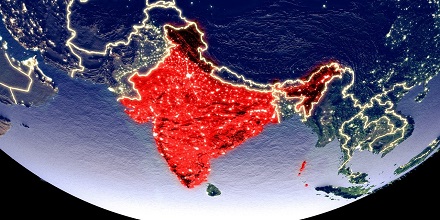
The Return of the Taliban Heightens India's Security Concerns
By Shyam Saran | 29 September, 2021
The revival of a Taliban government in Kabul is a setback for India. The significant political, economic and security equities it had built up in Afghanistan over the past two decades have been wiped out. This includes the more than US$ 3 billion India invested in the country in the shape of several important infrastructure projects, the construction of the country’s parliament building and in the promotion of health and education. India’s contribution to the capacity building of Afghan security forces was substantial.
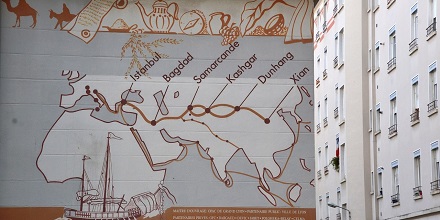
The Afghan Paradox : China, India and the Future of Eurasia after the Fall of Kabul
By Jorge Heine | 27 September, 2021
One joke making the rounds in Kabul’s diplomatic circles these days is that the power transition in Kabul from the Ghani government to that of the Taliban was smoother than the one that took place in Washington D.C. earlier this year. That may be a (slight) exaggeration, but there is little doubt that the swiftness with which the Taliban entered the Afghan capital caught most observers by surprise.
German Politics in the Post-Merkel Era
By Herbert Wulf | 24 September, 2021
The German Parliament will be elected on 26 September 2021 after its four-year legislature. The biggest change will be that the new government will definitely be formed without Chancellor Merkel who has held this position for nearly 16 years. No wonder many speculate about politics “beyond-Merkelism”
Back to the Future with the Taliban?
By Amin Saikal | 20 September, 2021
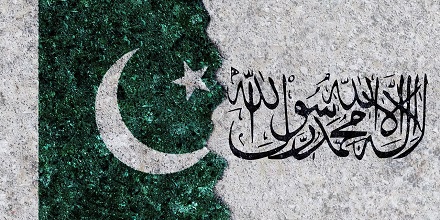
The defeat of the United States and its allies and return to power of the Taliban in Afghanistan have changed the regional landscape. The configuration of forces has shifted in favour of Pakistan as the Taliban’s patron and China as a strategic partner of Pakistan, confronting India, the Islamic Republic of Iran, the Central Asian Republics and the main power behind them, Russia, with certain policy quandaries. Yet not all is lost, as both Islamabad and Beijing may find that Afghanistan is a very difficult country to govern and sustain.
ANZUS at 70: How Does New Zealand View the Treaty Today?
By Kennedy Graham | 18 September, 2021
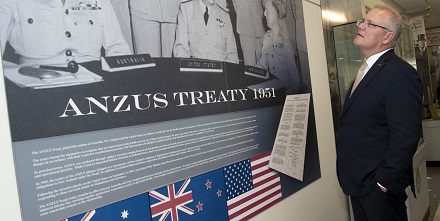
With ANZUS having turned 70, how does New Zealand view the Treaty today? In political opinion, virtually not at all; in terms of its legal, strategic and cultural context, the answer is more complex and nuanced.

What is the Point of Peace Research?
By Roger Mac Ginty | 13 September, 2021
Peace as a research topic and as a practice has never received as much attention and funding. University classes on peace and related topics are in rude health. There is a constant stream of academic and policy papers on peace, and there is now a very substantial international cadre of ‘peace professionals’ working for international organisations and international non-governmental organisations. In short, it is a good time to be in the peace business.
The views and opinions expressed in Global Outlook are those of the authors and do not necessarily reflect the official policy or position of Toda Peace Institute.