Multilateralism and the Future of Asian Peace amid US–China Rivalry
Image: Winnond / Shutterstock
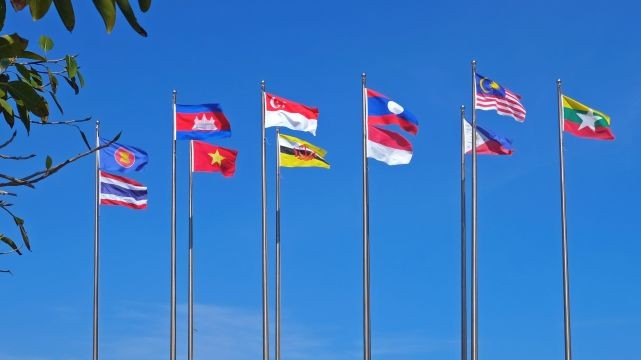
Regional multilateralism has long anchored the Asia–Pacific security order. Since the end of the Cold War, ASEAN-led frameworks such as the ASEAN Regional Forum, the East Asia Summit, and the ASEAN Defence Ministers’ Meeting Plus have provided inclusive platforms for dialogue, confidence-building, and cooperative security among major and middle powers alike.
That model now faces mounting challenges. Deepening US–China strategic rivalry has tested the foundations of inclusive cooperation, while the rise of minilateral groupings such as the Quad, AUKUS, and the Indo-Pacific Economic Framework has eroded ASEAN’s centrality and fragmented what was once a relatively cohesive institutional landscape. The revival of US–China trade tensions under the Trump administration has further weakened multilateral norms and mechanisms. At the same time, China’s Belt and Road Initiative and its four global initiatives, alongside its ‘China Plus One’ approach and the expanding Shanghai Cooperation Organization, reflect Beijing’s ambition to advance alternative visions of regional order — even as a resurgent ‘America First’ unilateralism reinforces perceptions of US disengagement.
Led by Kai He, this project systematically examines how major Asia-Pacific actors—including China, the United States, Japan, South Korea, ASEAN, and Australia—deploy multilateralism, minilateralism, bilateralism, unilateralism, and hybrid combinations to manage regional peace and security amid intensifying great-power competition. Through country-based case studies and analysis bridging International Relations theory with policy practice, the project culminates in an international workshop on 26–27 September 2026, and aims to generate practical recommendations for sustaining regional peace, stability, and prosperity.