Building Regional Resilience: Climate, Environment and Peace│Lessons from South and Southeast Asia
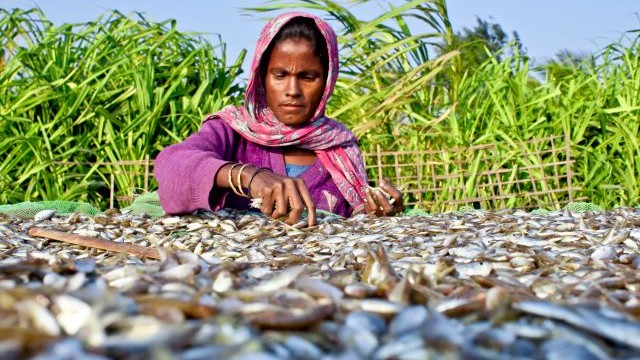
Inage: Jahangir Alam Onuchcha / Shutterstock
Climate change is reshaping the security landscape of South Asia, transforming environmental stress into a driver of conflict risk across shared land and maritime spaces. Resource scarcity, disrupted fisheries, and climate-induced migration increasingly test the capacity of national governments and regional institutions to manage transboundary pressures. This project examines how climate change intersects with peace and security across South and Southeast Asia, focusing on the mechanisms through which environmental stress translates into interstate tension, and on regional cooperation frameworks, including the Bay of Bengal Initiative for Multi-Sectoral Technical and Economic Cooperation (BIMSTEC), capable of mitigating these risks.
The Bay of Bengal serves as a critical case within this broader inquiry. As one of the world’s most climatically and geopolitically sensitive maritime spaces, the Bay faces severe environmental degradation and depleting fish stocks, threatening the food security, livelihoods, and economic stability of its densely populated littoral states. Resource scarcity has already generated tangible friction, including illegal, unreported, and unregulated fishing disputes between India and Sri Lanka, with escalation risks intensifying as stocks decline. Through convening experts, policymakers, and practitioners, the project’s regional dialogues, including the Bay of Bengal Climate, Peace and Security Dialogue, aim to consolidate existing knowledge, identify research gaps, and generate locally grounded insights informing conflict-sensitive climate cooperation across the region.