Global Challenges to Democracy
Toda Peace Institute Partners in First Arab Democracy Study Group Conference in Istanbul
November 7 - 8, 2026
Istanbul
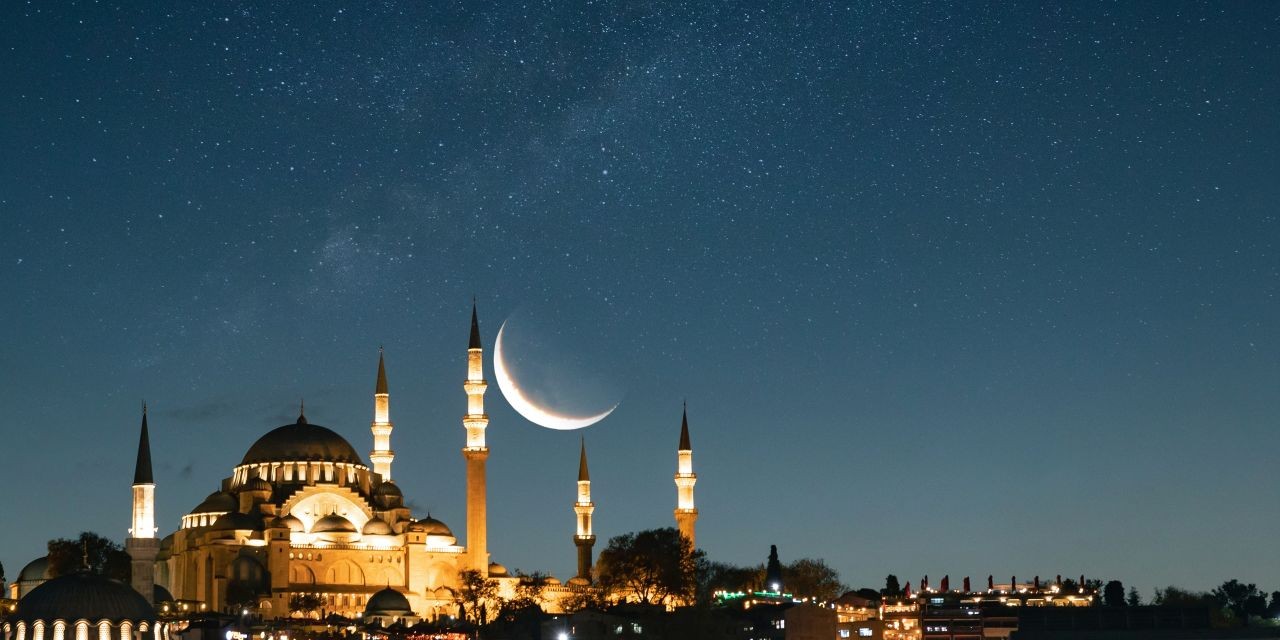
On 7–8 November 2026, the Toda Peace Institute joined Demos Tunisia and Istanbul Sabahattin Zaim University in holding the Arab Democracy Study Group (ADSG) Conference 2026, Repurposing Democratization in MENA, in Istanbul. The group’s first major conference brought together scholars from the Middle East and North Africa, Europe, North America and Japan for two days of keynotes, panels and a closing roundtable.
Olivia Stokes Dreier, Senior Research Fellow and lead of Toda’s Global Challenges to Democracy programme, represented the Institute. In the opening session she introduced Toda to participants, tracing its origins to the Japanese educators Tsunesaburo Makiguchi and Josei Toda, who were imprisoned in 1943 under the wartime Peace Preservation Law. That history of resistance to authoritarianism, she said, underlies the Institute’s commitment to dialogue across differences and to “reality-based optimism.” Toda established its democracy programme, she explained, because democracy and peace are closely connected: where power is unconstrained and people lack meaningful ways to participate, the risks of repression and violence grow. Dreier also presented a paper, “Trump 2.0 and the Retreat from Democracy Promotion: Implications for MENA.”
The conference builds on Toda’s MENA project on democratization and autocratization, which produced the series An Eye on Arab De-democratization: ten country reports and a cross-cutting study on gender inclusion.
Toda Research Cluster for the MENA Region
Alongside the conference, Toda has formed a Research Cluster for the MENA Region to produce a new series of policy briefs and sustain the exchange begun in Istanbul. The cluster brings together authors of Toda’s recent country reports and other scholars from the region.
The cluster held its first in-person meeting in Istanbul on 9 November, immediately after the conference. Seven authors presented plans for their briefs and received feedback from fellow members:
- Moncef Khaddar: the plight of youth within Libya’s social formation
- Raoudha Ben Othman: graduate unemployment in Tunisia
- M’hammed Malki: the Ceuta incident and youth unemployment in the lead-up to the 2030 World Cup
- Hanan Kaoud: colonization, democratic deficits and youth inclusion in the West Bank
- Nabil Al-Bukairi: restoring the Yemeni state as a foundation of Red Sea security
- Dania Koleilat Khatib: Lebanon’s maritime demarcation between economics, politics and corruption
- Mohammed Moussa: youth and democratization in Egypt
The work is organised in two groups. The first, on socio-economic instability, covers youth economic inclusion and the water–energy nexus, including graduate unemployment, water scarcity and electricity cuts. It asks how economic and resource strains are reshaping public trust in state institutions, and what policy measures can protect civic inclusion. The second, on conflict and maritime security, assesses risks from Red Sea route disruptions and wider regional confrontation. It asks how external geopolitical pressures affect civic freedoms and political accountability, and what strategies can open space for non-coercive conflict resolution.
While every brief reflects its author’s own research and perspective, the cluster is designed as a collaborative space: members will continue to share ideas, evidence and feedback by email and online meetings.