Curated expert opinion on intractable contemporary issues
Global Outlook: Climate Change and Conflict
Leaky Roof: Melting Himalayas in the ‘Asian Century’
By Robert Mizo | 15 March, 2024
The roof of the world is leaking; melting to be more precise. The fragile Himalayan ecosphere is facing an imminent threat from warming temperatures induced by climate change. This will not only have ecological consequences but will alter, if not destroy, the lives of millions living downstream across political boundaries and cultures.
One of NZ’s Most Contentious Climate Cases is Moving Forward. And the World is Watching
By Vernon Rive | 14 February, 2024
The Supreme Court of New Zealand has delivered a landmark decision on a case against a group of New Zealand’s largest corporate greenhouse gas (GHG) emitters.
‘We Don’t Know What Tomorrow Will Bring’: How Climate Change is Affecting Fijians’ Mental Health
By Amy Lykins and Suzanne Cosh | 11 January, 2024
The consequences of climate change also pose significant risks to the mental health and wellbeing of the people living in the most affected countries, says a recent study with rural Fijians.
COP28 – Massive Disappointments, Slight Glimmers of Hope
By Volker Boege | 03 January, 2024
While many expectations were not met at COP28 and Pacific delegates expressed deep disappointment, there were minor bright spots.
COP28 Offers Too Little of an “Oasis" for AOSIS in a Desert of Climate Justice
By James Bhagwan | 20 December, 2023
What does the “Dubai Consensus” actually mean for Pacific Small Island Developing States and the communities that they represent?
Hard-Fought COP28 Agreement on Fossil Fuels– But Climate Catastrophe Is Not Yet Averted
By Matt McDonald | 15 December, 2023
As negotiators stagger towards their beds in Dubai and another year’s climate talks come to a close, it’s time to take stock. Did COP28 achieve the big breakthrough the world needs on climate change?
The views and opinions expressed in Global Outlook are those of the authors and do not necessarily reflect the official policy or position of Toda Peace Institute.

Leaky Roof: Melting Himalayas in the ‘Asian Century’
By Robert Mizo | 15 March, 2024
The roof of the world is leaking; melting to be more precise. The fragile Himalayan ecosphere is facing an imminent threat from warming temperatures induced by climate change. This will not only have ecological consequences but will alter, if not destroy, the lives of millions living downstream across political boundaries and cultures.
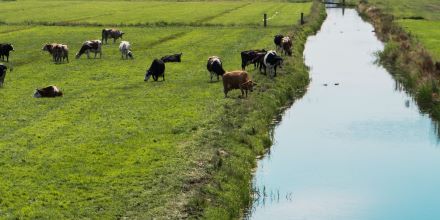
One of NZ’s Most Contentious Climate Cases is Moving Forward. And the World is Watching
By Vernon Rive | 14 February, 2024
The Supreme Court of New Zealand has delivered a landmark decision on a case against a group of New Zealand’s largest corporate greenhouse gas (GHG) emitters.

‘We Don’t Know What Tomorrow Will Bring’: How Climate Change is Affecting Fijians’ Mental Health
By Amy Lykins and Suzanne Cosh | 11 January, 2024
The consequences of climate change also pose significant risks to the mental health and wellbeing of the people living in the most affected countries, says a recent study with rural Fijians.
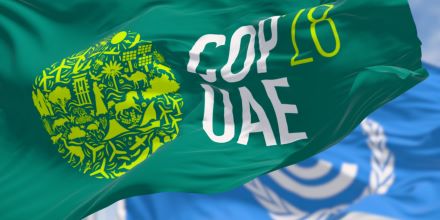
COP28 – Massive Disappointments, Slight Glimmers of Hope
By Volker Boege | 03 January, 2024
While many expectations were not met at COP28 and Pacific delegates expressed deep disappointment, there were minor bright spots.
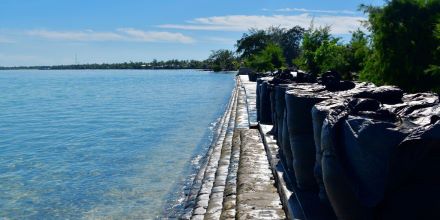
COP28 Offers Too Little of an “Oasis" for AOSIS in a Desert of Climate Justice
By James Bhagwan | 20 December, 2023
What does the “Dubai Consensus” actually mean for Pacific Small Island Developing States and the communities that they represent?
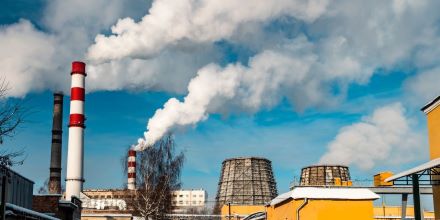
Hard-Fought COP28 Agreement on Fossil Fuels– But Climate Catastrophe Is Not Yet Averted
By Matt McDonald | 15 December, 2023
As negotiators stagger towards their beds in Dubai and another year’s climate talks come to a close, it’s time to take stock. Did COP28 achieve the big breakthrough the world needs on climate change?
The views and opinions expressed in Global Outlook are those of the authors and do not necessarily reflect the official policy or position of Toda Peace Institute.