The UN’s Withering Vine: A US Retreat from Global Governance
Jordan Ryan
January 10, 2026
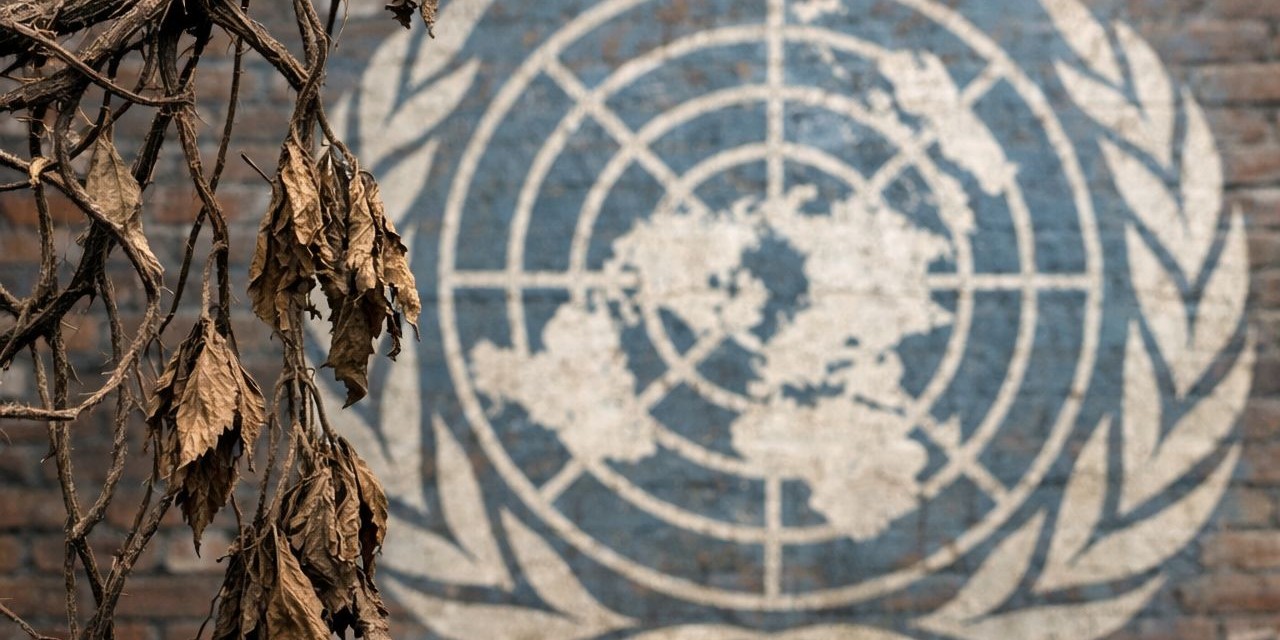
Image: AI generated / shutterstock.com
The Trump administration’s recent announcement of its withdrawal from 66 international organisations has been met with a mixture of alarm and applause. While the headline number suggests a dramatic retreat from the world stage, a closer look reveals a more nuanced, and perhaps more insidious, strategy. The move is less a wholesale abandonment of the United Nations system and more a targeted pruning of the multilateral vine, aimed at withering specific branches of global cooperation that the administration deems contrary to its interests. While the immediate financial impact may be less than feared, the long-term consequences for the UN and the rules-based international order are profound.
At first glance, the withdrawal appears to be a sweeping rejection of global engagement. The list of targeted entities is long and diverse, ranging from the well-known UN Framework Convention on Climate Change (UNFCCC) to more obscure bodies like the International Lead and Zinc Study Group. However, as Eugene Chen has astutely observed, the reality is more complex. The vast majority of the UN-related entities on the list are not independent international organisations, but rather subsidiary bodies, funds, and programmes of the UN itself. The administration is not, for now, withdrawing from the UN Charter, but rather selectively defunding and disengaging from the parts of the UN system it finds objectionable.
This selective approach reveals a clear ideological agenda. The targeted entities are overwhelmingly focused on issues that the Trump administration has long disdained: climate change, sustainable development, gender equality, and human rights. The list includes the UN’s main development arm, the Department of Economic and Social Affairs; its primary gender entity, UN Women; and a host of bodies dedicated to peacebuilding and conflict prevention. The inclusion of the UN’s regional economic commissions, which play a vital role in promoting regional cooperation and development, is particularly telling. This is not simply a cost-cutting exercise; it is a deliberate attempt to dismantle the architecture of global cooperation in areas that do not align with the administration’s narrow, nationalist worldview.
The decision to remain a member of the UN’s specialised agencies, such as the World Health Organization (from which the administration has already announced its withdrawal in a separate action) and the International Atomic Energy Agency, is equally revealing. This is not a sign of a renewed commitment to multilateralism, but rather a cold, calculated decision based on a narrow definition of US national security interests. The administration has made it clear that it sees these agencies as useful tools to counter the influence of a rising China. This ‘à la carte’ approach to multilateralism, where the US picks and chooses which parts of the system to support based on its own geopolitical interests, is deeply corrosive to the principles of collective security and universal values that underpin the UN Charter.
What, then, should be done? The international community cannot afford to simply stand by and watch as the UN system is hollowed out from within. A concerted effort is needed to mitigate the damage and reaffirm the importance of multilateral cooperation.
First, other member states must step up to fill the financial and leadership void left by the United States. This will require not only increased financial contributions, but also a renewed political commitment to the UN’s work in the areas of sustainable development, climate action, and human rights. Second, civil society organisations and the academic community have a crucial role to play in monitoring the impact of the US withdrawal and advocating for the continued relevance of the affected UN entities. Finally, the UN itself must do a better job of communicating its value to a sceptical public. The organisation must move beyond bureaucratic jargon and technical reports to tell a compelling story about how its work makes a real difference in the lives of people around the world.
The Trump administration’s latest move is a stark reminder that the post-war international order can no longer be taken for granted. It is a call to action for all who believe in the power of multilateralism to address our shared global challenges. The UN may be a flawed and imperfect institution, but it remains our best hope for a more peaceful, prosperous, and sustainable world. We must not allow it to wither on the vine.
Related articles by this author:
Venezuela and the UN’s Proxy War Moment (3-minute read)
The Danger of a Transactional Worldview (3-minute read)
The Choice Is Still Clear: Renewing the UN Charter at 80 (3-minute read)