Social Media, Technology and Peacebuilding Report No.297
Empowering the Polity: Governance, Conflict and Deliberative Dialogue
Catherine Barnes
April 27, 2026
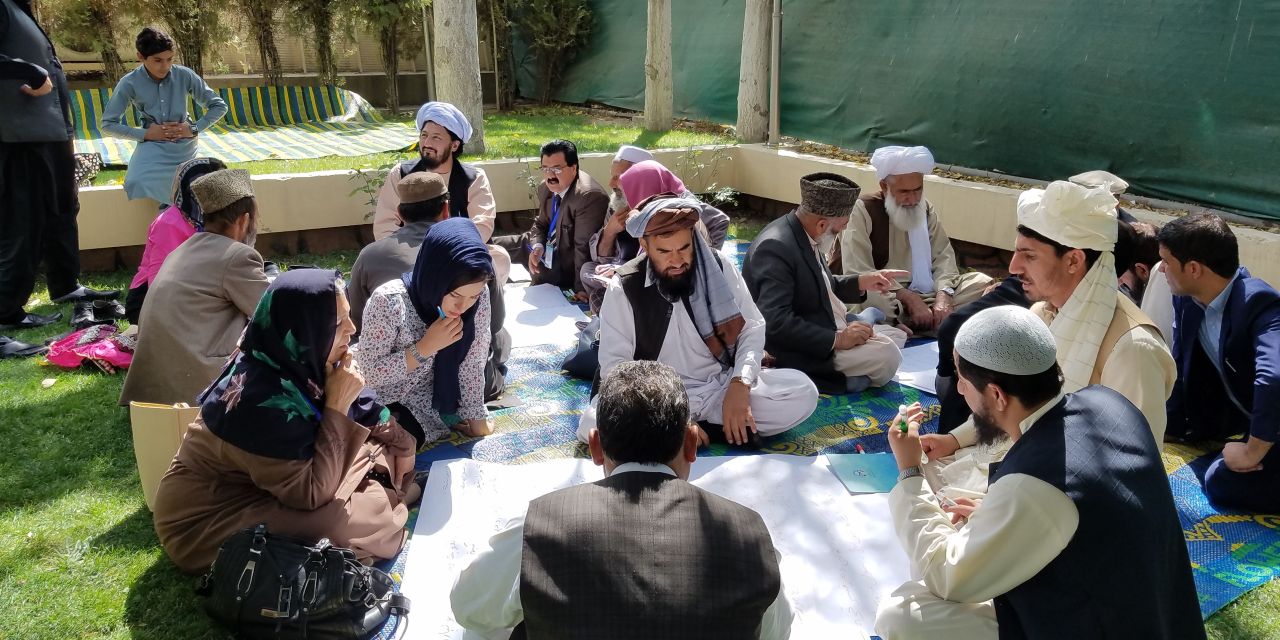
Image: Supplied by the author

This paper examines the relationship between conflict, governance, and deliberative dialogue, arguing that dialogical processes are central to societies’ ability to manage difference through political rather than coercive means. Conflict is an intrinsic feature of social life, and governance systems ideally provide institutional mechanisms to mediate competing interests, identities, and values. When governance becomes unresponsive, polarized, or coercive, these mechanisms break down, increasing the risk of destructive conflict. The paper develops a framework for understanding how deliberative dialogue can strengthen governance across three contexts: stable democracies seeking more inclusive policymaking, polarized societies requiring renewed social cohesion, and conflict-affected systems renegotiating their political settlements. It also highlights the risks of poorly designed processes and emphasizes the need for conflict-sensitive, trauma-informed approaches that address power asymmetries.