Trump’s China Trip: Aiming for Deliverables
Zhiqun Zhu
March 9, 2026
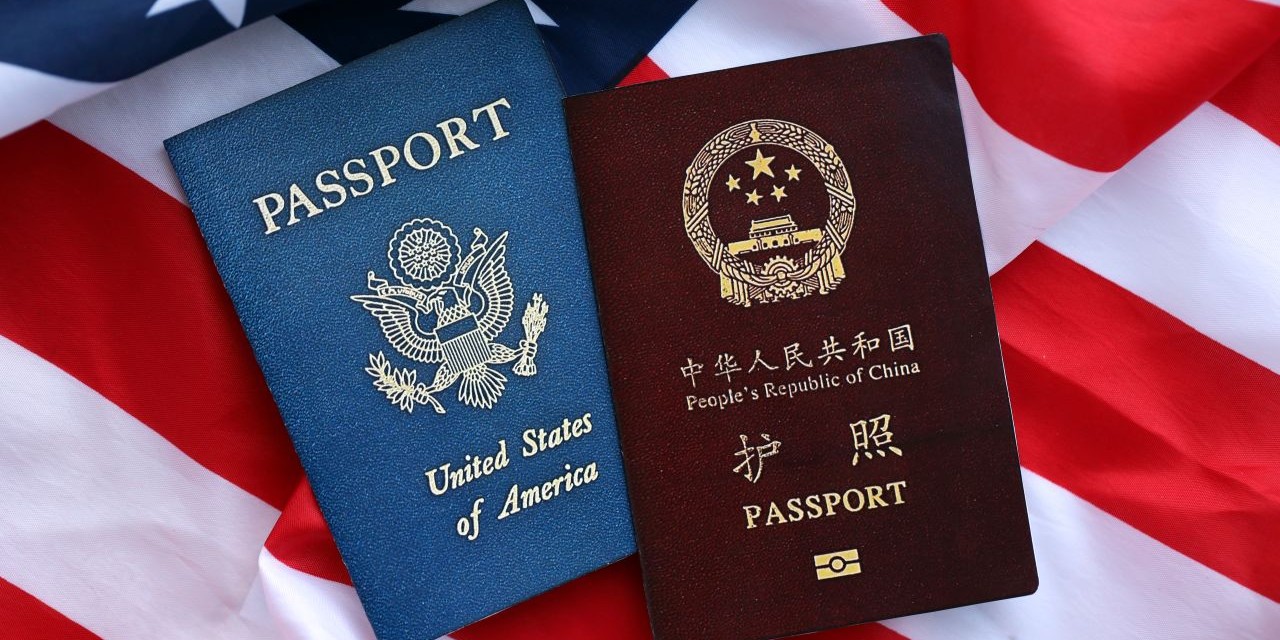
Image: Mehaniq / shutterstock.com
Despite the US’s ongoing “Operation Epic Fury” against Iran and its earlier kidnapping of Venezuelan leader Maduro, which have crippled the international order, preparations are underway for President Trump’s scheduled trip to China from March 31 to April 2, 2026.
Trump last visited China in November 2017 during his first term. That visit was hailed as a success, and according to the White House, it laid the foundation for “productive engagement” with China. Trump was honoured with special treatment no other US president ever received—a tea reception hosted by Chinese leader Xi Jinping inside the Forbidden City. Trump earlier welcomed Xi to his Mar-a-Lago estate in Florida in April 2017. But the honeymoon did not last long. The Trump administration initiated a trade war on July 6, 2018, by imposing 25 per cent tariffs on Chinese imports. Spiraling tensions became the dominant feature of US–China relations during the remainder of Trump’s first term and throughout the Biden administration.
The US–China relationship was off to a promising start after Trump won the November 2024 election. He frequently touted his good relationship with Xi, whom he invited to his inauguration. Xi sent Vice President Han Zheng to Washington, the highest level of Chinese presence on such occasions.
Trump seems to be his own ‘China desk officer’ now who favours a softer approach in his second term. The latest National Security Strategy and National Defence Strategy are both modest on China, avoiding calling China America’s ‘pacing threat’. Trump’s current cabinet members are also less hawkish toward China. Notably, Secretary of State Marco Rubio has shown remarkable pragmatism, arguing for engagement and dialogue with China, different from his hardline stance as a senator.
Yet on April 2, 2025, Trump imposed sweeping Liberation Day tariffs on virtually all US trading partners, and China topped the list with accumulated tariffs as high as 145 per cent. A defiant China hit back hard with its own 125 per cent tariffs on US goods. Beijing also swiftly imposed export restrictions on rare earths and paused the import of US soybeans, hurting the US economy and farmers who tend to be Trump supporters.
After several rounds of negotiations, the two countries reached a so-called tariff ‘truce’. When meeting with Xi in Busan, South Korea on October 30, 2025, Trump called China “the biggest partner of the US” and claimed that the two countries always had “a fantastic relationship.” It was there that Trump reaffirmed his plan to visit China in spring 2026.
Many people wonder what kind of deal Trump is seeking with China. Some have speculated that perhaps he will sacrifice Taiwan in return for China’s increased purchase of US products. The Trump administration recently withheld a weapons sale to Taiwan valued at $13 billion, but this is a tactical adjustment to avoid derailing Trump’s Beijing trip. The sale will undoubtedly proceed after Trump returns from China. The United States is unlikely to please Beijing by ditching Taipei due to Taiwan’s strategic and economic values.
With many thorny issues such as Taiwan and the international order and structural conflicts associated with global power transition, the United States and China need to lower expectations about Trump’s trip and be realistic, aiming for several concrete deliverables.
First, extend the current tariff truce. Since the visit will be trade-focused, the two leaders should not impose any new tariffs until they find a better way to fix trade-related problems. As China continues to purchase more from the United States, Washington should cut tariffs and ease export controls for China while China should respond reciprocally. The encouraging news for Washington is that the US goods trade deficit with China shrank to $202 billion in 2025, the lowest in more than two decades. China is apparently willing and able to purchase more from the United States, including oil and Boeing aircraft, if the political atmosphere is right.
Second, reopen consulates in Houston and Chengdu simultaneously. The US decision to close China’s consulate in Houston in July 2020, giving Chinese diplomats only 72 hours to vacate, was made rashly, leading to China’s retaliation by closing the US consulate in Chengdu, escalating bilateral tensions. Houston and Chengdu represent the heartland of each country. The reopening of the two diplomatic posts will not only substantially expand trade and other exchanges between the two heartland regions but also signal to the world that the two countries are willing to engage rationally and peacefully despite differences.
Third, promote tourism and educational exchanges. Tourism and people-to-people exchanges could serve as a buffer against political and diplomatic tensions. China can consider 30-day visa-free for American visitors since it has granted citizens of dozens of countries this policy, including Canada and the United Kingdom following their leaders’ recent visits to China. To welcome more Americans to China and make visiting China easier, it is fitting for Beijing to announce the 30-day visa-free policy for Americans when Trump is in town. Meanwhile, the United States can encourage more Americans to travel to and study in China. Such measures would help generate goodwill between Americans and Chinese.
The US–China relationship faces daunting challenges. Both Trump and Xi view summit meetings as crucial in arresting the deterioration of bilateral relations, and both want this visit to be a success.
The two sides will have to agree to disagree on highly controversial issues, including Taiwan and the global order. Instead, they should focus on areas where their interests align, such as keeping a strong trading relationship and advancing people-to-people exchanges. A relationship bound by close trade ties and robust societal exchanges is unlikely to end in war. One visit will not solve all the problems between the two rivaling powers, but a pragmatic approach that helps stabilize the relationship serves the interests of both countries.
Related articles:
Look to China (3-minute read)
Is China’s “Great Power Status” a Plus or Minus? (3-minute read)
Trust but Talk: How to Manage China–US Strategic Competition (10-minute read)
Toward A ‘Reassurance Spiral’ in US–China Relations (10-minute read)